![AI Mode conversation: https://l.facebook.com/l.php?u=https%3A%2F%2Fbriefustory.com%2Finside-a-historic-new-jersey-mansion-with-18-bedrooms-and-a-unique-indoor-pool%2F%3Ffbclid%3DIwZXh0bgNhZW0CMTAAcGRvZgFzcnRjBmFwcF9pZBAyMjIwMzkxNzg4MjAwODkyAAEeDMMzV9J2LIX9H-3USVcrvqUrdt7Lapo3TkuMe0V6fSS8KSDb08PYa-3IwXg_aem_Q6cFfJA4kijigM8MB5Mqfg&h=AUBK3pmThtuzzylexDX97bowfEsQ2oQILIeA2-oM4T1E9QFpHzgoC0tum45QKaiLQdnQgWCLJejhqVPbmQNbHX2LZMZ993N9vz9imt8Dp7jCHiT718hfYP1RxJCudwivDCMzTuMD3cvuPsc1&__tn__=R]-R&c[0]=AUCJP1vhKAOijG8x44HpYgEbCJ3LFDvQNNBvtpfWRl0P2zTpfxhHI4yisjADc6JdVIa4skN3A142-6l8iF8l5Q6h2EazSMlM7K5P4NofIANtfaqI9gqeS0KssBFiHWQBjq6SizRaezhP8THGozLVOiRUPQIrxwBlWItjsx2XaIoYIu-8kok57jKNk87zfjo&c[1]=AUC8tMPk-xYWk2fBKJKm7Z2q8RpGj8MLzdH6fnEFhTkUqoHqIfuk0q0uhwTdaXu-RJdnYsHWUM_rmXkSLmChEmaUqb7Dy238cTeof49rGRahRlAQxl-3fZNOQLcV8TzdrACJd8hJu9KQDGrZ0WdAqdIJ-OQKVqDrRh8LTlK0PgMo__yGL_xK-KmUbmR8gps SEO FOR THIS POST You sent: 1 tab and said: https://l.facebook.com/l.php?u=https%3A%2F%2Fbriefustory.com%2Finside-a-historic-new-jersey-mansion-with-18-bedrooms-and-a-unique-indoor-pool%2F%3Ffbclid%3DIwZXh0bgNhZW0CMTAAcGRvZgFzcnRjBmFwcF9pZBAyMjIwMzkxNzg4MjAwODkyAAEeDMMzV9J2LIX9H-3USVcrvqUrdt7Lapo3TkuMe0V6fSS8KSDb08PYa-3IwXg_aem_Q6cFfJA4kijigM8MB5Mqfg&h=AUBK3pmThtuzzylexDX97bowfEsQ2oQILIeA2-oM4T1E9QFpHzgoC0tum45QKaiLQdnQgWCLJejhqVPbmQNbHX2LZMZ993N9vz9imt8Dp7jCHiT718hfYP1RxJCudwivDCMzTuMD3cvuPsc1&__tn__=R]-R&c[0]=AUCJP1vhKAOijG8x44HpYgEbCJ3LFDvQNNBvtpfWRl0P2zTpfxhHI4yisjADc6JdVIa4skN3A142-6l8iF8l5Q6h2EazSMlM7K5P4NofIANtfaqI9gqeS0KssBFiHWQBjq6SizRaezhP8THGozLVOiRUPQIrxwBlWItjsx2XaIoYIu-8kok57jKNk87zfjo&c[1]=AUC8tMPk-xYWk2fBKJKm7Z2q8RpGj8MLzdH6fnEFhTkUqoHqIfuk0q0uhwTdaXu-RJdnYsHWUM_rmXkSLmChEmaUqb7Dy238cTeof49rGRahRlAQxl-3fZNOQLcV8TzdrACJd8hJu9KQDGrZ0WdAqdIJ-OQKVqDrRh8LTlK0PgMo__yGL_xK-KmUbmR8gps SEO FOR THIS POST Inside a Historic New Jersey Mansion With 18 Bedrooms and a Unique Indoor Pool https://l.facebook.com/l.php?u=https%3A%2F%2Fbriefustory.com%2Finside-a-historic-new-jersey-mansion-with-18-bedrooms-and-a-unique-indoor-pool%2F%3Ffbclid%3DIwZXh0bgNhZW0CMTAAcGRvZgFzcnRjBmFwcF9pZBAyMjIwMzkxNzg4MjAwODkyAAEeDMMzV9J2LIX9H-3USVcrvqUrdt7Lapo3TkuMe0V6fSS8KSDb08PYa-3IwXg_aem_Q6cFfJA4kijigM8MB5Mqfg&h=AUBK3pmThtuzzylexDX97bowfEsQ2oQILIeA2-oM4T1E9QFpHzgoC0tum45QKaiLQdnQgWCLJejhqVPbmQNbHX2LZMZ993N9vz9imt8Dp7jCHiT718hfYP1RxJCudwivDCMzTuMD3cvuPsc1&__tn__=R]-R&c[0]=AUCJP1vhKAOijG8x44HpYgEbCJ3LFDvQNNBvtpfWRl0P2zTpfxhHI4yisjADc6JdVIa4skN3A142-6l8iF8l5Q6h2EazSMlM7K5P4NofIANtfaqI9gqeS0KssBFiHWQBjq6SizRaezhP8THGozLVOiRUPQIrxwBlWItjsx2XaIoYIu-8kok57jKNk87zfjo&c[1]=AUC8tMPk-xYWk2fBKJKm7Z2q8RpGj8MLzdH6fnEFhTkUqoHqIfuk0q0uhwTdaXu-RJdnYsHWUM_rmXkSLmChEmaUqb7Dy238cTeof49rGRahRlAQxl-3fZNOQLcV8TzdrACJd8hJu9KQDGrZ0WdAqdIJ-OQKVqDrRh8LTlK0PgMo__yGL_xK-KmUbmR8gps SEO FOR THIS POST Optimizing the article about the historic New Jersey mansion requires a targeted strategy combining on-page SEO elements like optimized meta tags and structured headings with social media configuration for Facebook. Implementing precise keyword targeting, clean URL structures, and specific image alt text will enhance both organic search visibility and click-through rates. You can read the original article at BriefuStory. KINDLY GIVE ME FAQS AND SEO SETTINGS FOR THE POST AND ALT TEXT Here are the tailored FAQs, comprehensive SEO settings, and image alt text suggestions to optimize your post about the historic West Orange mansion. 📋 Frequently Asked Questions (FAQs) These can be added to the bottom of your post to target long-tail search queries and capture Google's "People Also Ask" snippets. Q: Where is the historic 18-bedroom mansion located? A: This expansive 1933 estate is hidden among mature trees on nearly 6 acres in West Orange, New Jersey, offering a private retreat within an established community. Q: How many rooms does the historic New Jersey mansion have? A: The property features an impressive 18 bedrooms and 14 bathrooms, providing vast living spaces suitable for multigenerational households, private offices, or dedicated hobby areas. Q: What is the most unique amenity inside this 1933 New Jersey estate? A: The mansion's standout feature is its historic indoor swimming pool, which offers year-round swimming and sets it apart from most early 20th-century homes where pools were built outdoors. 🔍 Core SEO Settings • Target Keyword / Focus Keyphrase: historic New Jersey mansion • Secondary Keywords: West Orange NJ estate, 18 bedroom mansion NJ, 1933 historic home, mansion with indoor pool • SEO Title: Inside a Historic New Jersey Mansion With 18 Bedrooms & Indoor Pool (68 characters - fits perfectly in search snippets) • Slug / URL: historic-new-jersey-mansion-18-bedrooms • Meta Description: Explore a remarkable 1933 historic New Jersey mansion in West Orange. Featuring 18 bedrooms, 14 bathrooms, and a unique indoor pool across 5.89 acres. (149 characters - optimal for mobile and desktop preview) 🏷️ Recommended Headings Structure (H1-H3) • H1: Inside a Historic New Jersey Mansion With 18 Bedrooms and a Unique Indoor Pool • H2: The Architectural Character of the 1933 West Orange Estate • H2: Inside the Expansive 18-Bedroom and 14-Bathroom Layout • H2: The Rare Luxury of a Historic Indoor Swimming Pool • H2: Exploring the 6-Acre Historic Grounds • H2: Maintenance and Financial Considerations for Historic Mansions • H2: Frequently Asked Questions About the Estate 🖼️ Image Alt Text Options Use these descriptive alt text options depending on the images featured in your layout to improve image search rankings and accessibility. • For the main exterior image: Exterior view of a historic 1933 New Jersey mansion hidden among mature trees in West Orange • For the indoor pool image: A unique historic indoor swimming pool inside a 1933 New Jersey estate • For interior or woodwork shots: Classic architectural details and rich woodwork inside a historic West Orange home • For the surrounding land/grounds: Spacious 6 acre landscaped grounds and mature trees surrounding a New Jersey mansion PINTEREST POST FOR THIS ARTICLE Here are a few high-performing Pinterest Pin title and description options, tailored to attract different audiences (architecture lovers, luxury real estate fans, and history buffs). Option 1: Focus on Luxury Real Estate (Best for viral reach) • Pin Title: Inside a Massive 18-Bedroom Historic New Jersey Mansion 🏛️ • Pin Description: Take a look inside this jaw-dropping 1933 historic New Jersey mansion hidden in West Orange. Boasting an incredible 18 bedrooms, 14 bathrooms, and an indoor pool, this 6-acre estate is the ultimate vintage luxury retreat! Click to see the beautiful architecture. • Destination Link: https://briefustory.com Option 2: Focus on the Unique Amenity (Best for click-through rate) • Pin Title: This 1933 Mansion Has a Feature You Secretly Want 🤫🏊♂️ • Pin Description: Most historic estates have outdoor pools, but this historic New Jersey mansion features a stunning indoor swimming pool built way back in 1933! Explore the architecture, grand woodwork, and massive 18-bedroom layout of this West Orange estate. • Destination Link: https://briefustory.com Option 3: Focus on Architecture & History (Best for design enthusiasts) • Pin Title: Tour a Historic 1933 Estate in West Orange, NJ ✨ • Pin Description: If you love vintage craftsmanship, traditional woodwork, and historic homes, you need to see this. Nestled on nearly 6 acres, this historic New Jersey mansion combines early 20th-century character with a massive 18-bedroom floor plan. • Destination Link: https://briefustory.com 📌 Pinterest Text Overlay Ideas (To design onto your Pin image) Keep your visual text short and punchy so mobile users can read it quickly while scrolling: • "Inside a 1933 Mansion With 18 Bedrooms" • "This Historic NJ Estate Has an Indoor Pool!" • "Vintage Luxury: Tour a Historic 18-Bedroom Mansion" 🏷️ Best Pinterest Tags to Use: #HistoricHomes #MansionTour #NewJerseyRealEstate #VintageArchitecture #LuxuryEstates #IndoorPool #OldHomeLove write an article on how to get rid of warts 7 types of warts Here is a comprehensive, search-optimized article detailing how to treat warts and identifying the seven distinct types. How to Get Rid of Warts: A Complete Guide to Treatments and the 7 Types of Warts Warts are common, benign skin growths caused by the Human Papillomavirus (HPV). While they are usually harmless, they can be unsightly, uncomfortable, and highly contagious. Understanding the specific type of wart you have is the first step toward successfully removing it. The image below illustrates the typical appearance of common warts on the hand: • The image shows a cluster of raised, rough skin growths with a coarse, cauliflower-like texture on the knuckles and fingers, characteristic of common warts. This guide covers the seven primary types of warts and the most effective methods to get rid of them. The 7 Types of Warts and How to Identify Them HPV has over 100 strains, which manifest as different types of warts depending on where they grow and how they look. 1. Common Warts (Verruca vulgaris) • Appearance: Rough, raised bumps with a distinct "cauliflower" texture. They often contain tiny black dots, which are clotted blood vessels. • Location: Most frequently found on the hands, fingers, knuckles, and elbows. 2. Plantar Warts (Verruca plantaris) • Appearance: Flat or hard growths that grow inward rather than outward due to the pressure of walking. They can be painful, feeling like a pebble in your shoe. • Location: Found exclusively on the soles of the feet. 3. Flat Warts (Verruca plana) • Appearance: Smooth, flat-topped, and flesh-colored or yellowish bumps. They are smaller than other warts but tend to grow in large clusters (sometimes 20 to 100 at a time). • Location: Most common on the face, neck, back of the hands, and legs (often spread by shaving). 4. Filiform Warts • Appearance: Long, narrow, thread-like growths that extend outward from the skin. They grow rapidly. • Location: Usually appear around the mouth, nose, eyes, or under the chin. 5. Periungual and Subungual Warts • Appearance: Rough, uneven bumps that look like thickened skin or cauliflower-like clusters. They can distort nail growth and be quite painful. • Location: Periungual warts grow around the fingernails and toenails, while subungual warts form directly underneath the nail bed. 6. Mosaic Warts • Appearance: A tightly packed, extensive cluster of many small plantar warts grouped closely together. They look like a rough, white patch of tile across the skin. • Location: Typically cover larger surface areas on the hands or the soles of the feet. 7. Genital Warts (Condyloma acuminata) • Appearance: Soft, flesh-colored bumps that can look like small cauliflowers. • Location: Found in the genital and anal areas. Unlike other types, these are classified as a sexually transmitted infection (STI) and require immediate professional medical care. How to Get Rid of Warts: Treatment Options Warts often disappear on their own over several months or years, but active treatment can speed up the process and prevent them from spreading. Because different treatments work for different people, it is helpful to look at the three most common paths to removal: 1. Over-the-Counter (OTC) Home Remedies • Salicylic Acid: This is the most common home treatment. Available as liquids, gels, or patches, it works by gradually dissolving the layers of the wart. For best results, soak the wart in warm water and gently file away dead skin with an emery board before applying. Make sure to double-check the physical label to confirm the concentration and application instructions. • OTC Cryotherapy (Freezing): Retail kits use mixtures of dimethyl ether and propane to freeze the wart tissue. While not as cold as liquid nitrogen used by doctors, it can successfully destroy smaller common or plantar warts. • Duct Tape Therapy: A popular home remedy involves covering the wart with silver duct tape for six days, soaking and filing the wart, leaving it uncovered overnight, and repeating the cycle for up to two months to stimulate the body's immune response. 2. Professional Medical Treatments • Liquid Nitrogen Cryotherapy: A dermatologist applies ultra-cold liquid nitrogen to freeze the wart. This forms a blister underneath the growth, causing the dead tissue to slough off within a week or two. Multiple sessions are often required. • Cantharidin: A doctor paints this substance (derived from blister beetles) onto the wart. It causes a painless blister to form beneath the growth, lifting the wart off the skin so the doctor can clip away the dead portion. • Electrosurgery and Curettage: The wart is burned using an electric current and then scraped off with a sharp tool called a curette. This method is highly effective but may cause scarring. 3. Prescription and Advanced Therapies • Prescription Retinoids: For stubborn or widespread flat warts, a doctor may prescribe topical retinoid creams to disrupt the wart's skin cell growth. • Immunotherapy: For severe, treatment-resistant warts, doctors can inject substances like Candida antigen directly into the wart to alert your immune system to fight off the underlying HPV virus. • Laser Surgery: Pulse-dye lasers can burn closed the tiny blood vessels inside the wart, causing the tissue to die and eventually drop off. Tips to Prevent Warts from Spreading Warts are highly contagious and can spread to other parts of your body or to other people through direct contact or shared surfaces. • Do not pick, scratch, or bite your warts, as this releases the virus onto your fingers. • Wash your hands thoroughly after touching or treating any wart. • Wear sandals or flip-flops in public locker rooms, showers, and pool areas to avoid catching plantar warts. • Keep your hands and feet dry, as moisture makes it easier for HPV to invade the skin. • Never use the same emery board or pumice stone on a wart that you use on healthy skin or nails. If you would like to customize this article further, let me know: • What is the target audience or website niche? (e.g., general wellness, parenting, dermatology clinic blog) • Would you like me to generate SEO meta settings (title, description, slug) for this specific post? • Do you need Pinterest or social media copy to promote it? This is for informational purposes only. For medical advice or diagnosis, consult a professional. AI responses may include mistakes. Learn more yes write faqs and seo settings Here are the tailored FAQs and comprehensive SEO settings to optimize your article on wart removal and types. 📋 Frequently Asked Questions (FAQs) Adding these to the bottom of your post helps target structured data and capture Google's "People Also Ask" snippets. Q: Can you pop or cut off a wart at home? A: No, you should never attempt to cut, pop, or rip off a wart yourself. Doing so can cause severe infection, permanent scarring, and cause the Human Papillomavirus (HPV) to spread to surrounding skin, creating even more warts. Q: Why do some warts have tiny black dots inside them? A: The small black dots frequently seen in common and plantar warts are not seeds. They are actually clotted blood vessels (capillaries) that the wart has intercepted to supply itself with blood and nutrients. Q: How long does it take for a wart to completely go away? A: Without treatment, many warts go away on their own within 1 to 2 years as the body builds an immune response. With active over-the-counter or clinical treatments, removal usually takes anywhere from a few weeks to a couple of months. 🔍 Core SEO Settings • Target Keyword / Focus Keyphrase: how to get rid of warts • Secondary Keywords: 7 types of warts, wart removal treatments, plantar wart remedies, what causes warts, home remedies for warts • SEO Title: How to Get Rid of Warts: Effective Treatments & the 7 Types (60 characters - perfectly optimized for search engines) • Slug / URL: how-to-get-rid-of-warts-types • Meta Description: Struggling with stubborn skin growths? Learn how to get rid of warts safely using home remedies and medical treatments, plus how to identify the 7 major types. (154 characters - optimal snippet length) 🏷️ Recommended Headings Structure (H1-H3) • H1: How to Get Rid of Warts: A Complete Guide to Treatments and the 7 Types of Warts • H2: What Causes Warts? • H2: The 7 Types of Warts and How to Identify Them • H3: 1. Common Warts (Verruca vulgaris) • H3: 2. Plantar Warts (Verruca plantaris) • H3: 3. Flat Warts (Verruca plana) • H3: 4. Filiform Warts • H3: 5. Periungual and Subungual Warts • H3: 6. Mosaic Warts • H3: 7. Genital Warts (Condyloma acuminata) • H2: How to Get Rid of Warts: Treatment Options • H3: 1. Over-the-Counter (OTC) Home Remedies • H3: 2. Professional Medical Treatments • H3: 3. Prescription and Advanced Therapies • H2: Tips to Prevent Warts from Spreading • H2: Frequently Asked Questions About Warts If you want to promote this post on social platforms, let me know if you need: • Pinterest Pin titles and descriptions • Facebook or Instagram captions • Image alt text suggestions for the graphics in the article This is for informational purposes only. For medical advice or diagnosis, consult a professional. AI responses may include mistakes. Learn more You sent: 1 image and said: alt text short alt text short An infographic titled "6 Types of Warts: Signs, Symptoms, Remedies & Treatment" by realitycover.com. It lists six types of warts with descriptions and illustrations: common warts on hands, plantar warts on feet, flat warts on a face, filiform warts near an eye, periungual warts around fingernails, and genital warts. The bottom sections provide lists for home remedies (like duct tape and apple cider vinegar) and medical treatments (such as salicylic acid and cryotherapy).](https://realitycover.com/wp-content/uploads/2026/10/94026aaf28025b2b465b5259fb0bbe85-736x900.jpg)
How to Get Rid of Warts: A Complete Guide to Treatments and the 7 Types of Warts
We checked pharmacies — these 2 are what most readers buy first:
1. Freeze at home —
2. No-freeze liquid —
Disclosure:As an Amazon Associate I earn from qualifying purchases.
Warts are common, benign skin growths caused by the Human Papillomavirus (HPV). While they are usually harmless, they can be unsightly, uncomfortable, and highly contagious. Understanding the specific type of wart you have is the first step toward successfully removing it.
The image below illustrates the typical appearance of common warts on the hand:
- The image shows a cluster of raised, rough skin growths with a coarse, cauliflower-like texture on the knuckles and fingers, characteristic of common warts.
This guide covers the seven primary types of warts and the most effective methods to get rid of them.
The 7 Types of Warts and How to Identify Them
HPV has over 100 strains, which manifest as different types of warts depending on where they grow and how they look.
1. Common Warts (Verruca vulgaris)
- Appearance: Rough, raised bumps with a distinct “cauliflower” texture. They often contain tiny black dots, which are clotted blood vessels.
- Location: Most frequently found on the hands, fingers, knuckles, and elbows.
2. Plantar Warts (Verruca plantaris)
- Appearance: Flat or hard growths that grow inward rather than outward due to the pressure of walking. They can be painful, feeling like a pebble in your shoe.
- Location: Found exclusively on the soles of the feet.
3. Flat Warts (Verruca plana)
- Appearance: Smooth, flat-topped, and flesh-colored or yellowish bumps. They are smaller than other warts but tend to grow in large clusters (sometimes 20 to 100 at a time).
- Location: Most common on the face, neck, back of the hands, and legs (often spread by shaving).
4. Filiform Warts
- Appearance: Long, narrow, thread-like growths that extend outward from the skin. They grow rapidly.
- Location: Usually appear around the mouth, nose, eyes, or under the chin.
5. Periungual and Subungual Warts
- Appearance: Rough, uneven bumps that look like thickened skin or cauliflower-like clusters. They can distort nail growth and be quite painful.
- Location: Periungual warts grow around the fingernails and toenails, while subungual warts form directly underneath the nail bed.
6. Mosaic Warts
- Appearance: A tightly packed, extensive cluster of many small plantar warts grouped closely together. They look like a rough, white patch of tile across the skin.
- Location: Typically cover larger surface areas on the hands or the soles of the feet.
7. Genital Warts (Condyloma acuminata)
- Appearance: Soft, flesh-colored bumps that can look like small cauliflowers.
- Location: Found in the genital areas. Unlike other types it require immediate professional medical care.
How to Get Rid of Warts: Treatment Options
Warts often disappear on their own over several months or years, but active treatment can speed up the process and prevent them from spreading. Because different treatments work for different people, it is helpful to look at the three most common paths to removal:
1. Over-the-Counter (OTC) Home Remedies
- Salicylic Acid: This is the most common home treatment. Available as liquids, gels, or patches, it works by gradually dissolving the layers of the wart. For best results, soak the wart in warm water and gently file away dead skin with an emery board before applying. Make sure to double-check the physical label to confirm the concentration and application instructions.
- OTC Cryotherapy (Freezing): Retail kits use mixtures of dimethyl ether and propane to freeze the wart tissue. While not as cold as liquid nitrogen used by doctors, it can successfully destroy smaller common or plantar warts.
- Duct Tape Therapy: A popular home remedy involves covering the wart with silver duct tape for six days, soaking and filing the wart, leaving it uncovered overnight, and repeating the cycle for up to two months to stimulate the body’s immune response.
2. Professional Medical Treatments
- Liquid Nitrogen Cryotherapy: A dermatologist applies ultra-cold liquid nitrogen to freeze the wart. This forms a blister underneath the growth, causing the dead tissue to slough off within a week or two. Multiple sessions are often required.
- Cantharidin: A doctor paints this substance (derived from blister beetles) onto the wart. It causes a painless blister to form beneath the growth, lifting the wart off the skin so the doctor can clip away the dead portion.
- Electrosurgery and Curettage: The wart is burned using an electric current and then scraped off with a sharp tool called a curette. This method is highly effective but may cause scarring.
3. Prescription and Advanced Therapies
- Prescription Retinoids: For stubborn or widespread flat warts, a doctor may prescribe topical retinoid creams to disrupt the wart’s skin cell growth.
- Immunotherapy: For severe, treatment-resistant warts, doctors can inject substances like Candida antigen directly into the wart to alert your immune system to fight off the underlying HPV virus.
- Laser Surgery: Pulse-dye lasers can burn closed the tiny blood vessels inside the wart, causing the tissue to die and eventually drop off.
Tips to Prevent Warts from Spreading
Warts are highly contagious and can spread to other parts of your body or to other people through direct contact or shared surfaces.
📋 Frequently Asked Questions (FAQs)
Q: Can you pop or cut off a wart at home?
A: No, you should never attempt to cut, pop, or rip off a wart yourself. Doing so can cause severe infection, permanent scarring, and cause the Human Papillomavirus (HPV) to spread to surrounding skin, creating even more warts.
Q: Why do some warts have tiny black dots inside them?
A: The small black dots frequently seen in common and plantar warts are not seeds. They are actually clotted blood vessels (capillaries) that the wart has intercepted to supply itself with blood and nutrients.
Q: How long does it take for a wart to completely go away?
A: Without treatment, many warts go away on their own within 1 to 2 years as the body builds an immune response. With active over-the-counter or clinical treatments, removal usually takes anywhere from a few weeks to a couple of months.
🔥 Popular on RealityCover
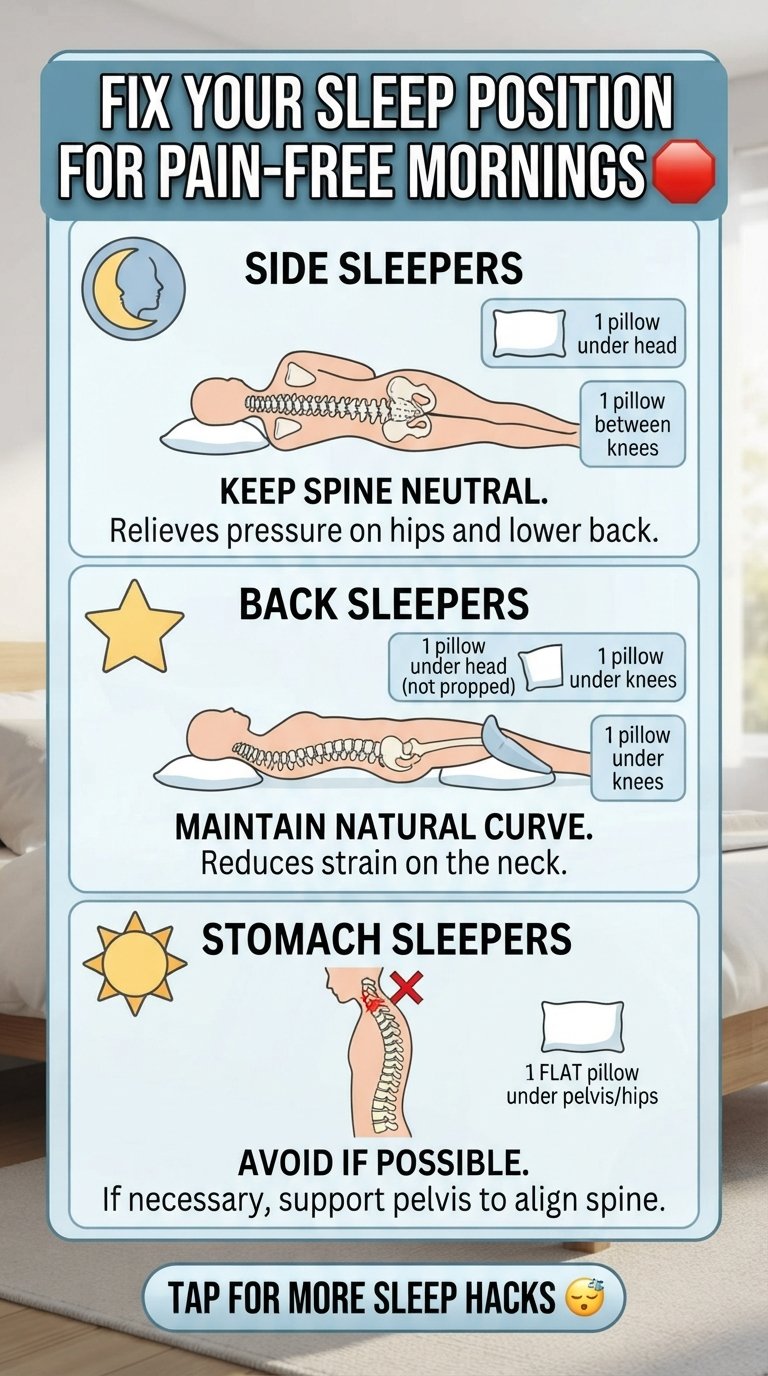
 The Science of Sleep Posture: How to Optimize Your Sleeping Position for Pain-Free Mornings
 YOU WON’T BELIEVE WHAT HAPPENED INSIDE A TEXAS MCDONALD’S RESTROOM! 😱🍔
 Why Unplugging Household Devices Saves Energy and Supports a Safer Home
 Forgotten Bathroom Relic: The Heavy Metal Trash Incinerator and the Era of Burning Our Garbage