
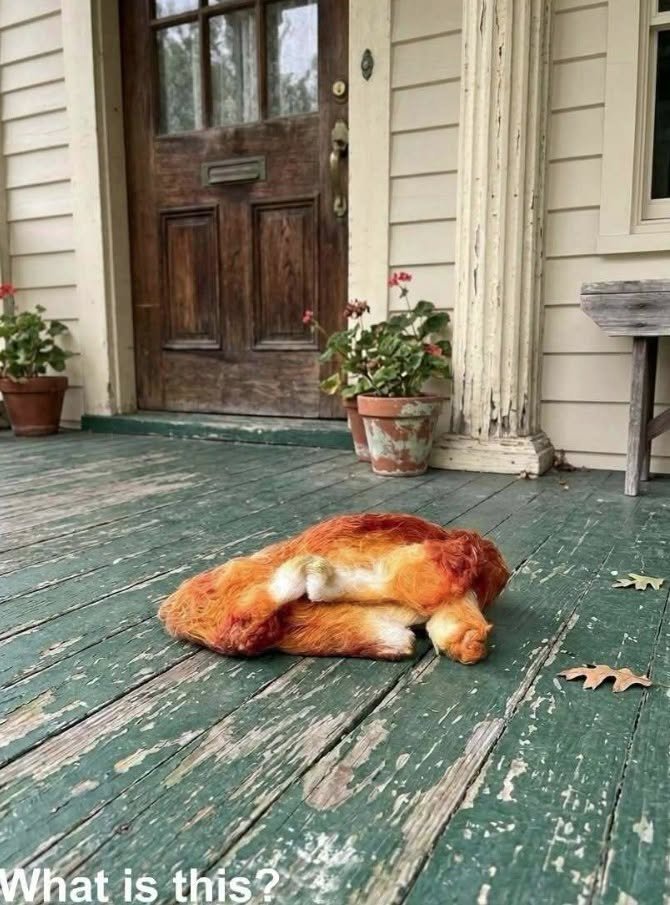
Unexpected Encounters: Discovering Wildlife Evidence on Your Front Porch
Every morning offers a chance to connect with the world around us, often beginning with simple routines like stepping outside to breathe in fresh air. Yet, sometimes these ordinary moments can lead to unexpected discoveries that remind us of the natural world’s presence just beyond our doorsteps.
One such encounter can occur when you notice something unusual on your porch—a sight that may initially puzzle or even alarm you. Perhaps it’s a patch of fur, an unfamiliar feather, or a curious imprint left behind overnight. These signs often hint at wildlife activity that goes unnoticed by most during the busy daylight hours.
Understanding Wildlife in Residential Areas
Many people assume that urban and suburban environments are entirely separate from natural habitats. However, wildlife frequently traverses these spaces, adapting to coexist with human development. Animals such as raccoons, foxes, coyotes, and various bird species often navigate neighborhoods, especially under the cover of night.
This proximity means that evidence of their presence, whether tracks in the yard or remnants left on porches, is more common than one might think. Recognizing these signs can deepen our awareness of local ecosystems and highlight the ongoing interaction between humans and wildlife.
Interpreting Unfamiliar Sightings
When confronted with an unusual object on your property, it’s natural to feel a mix of curiosity and concern. The shape, texture, or color might initially suggest a living creature, but closer inspection often reveals a different story. What appears to be a whole animal might be a patch of fur shed during a natural process, or perhaps remains from a predator’s meal.
Taking a moment to observe carefully and avoid immediate assumptions can help reduce anxiety and provide clearer understanding. Using a safe distance at first and considering the context—such as recent weather or nearby animal activity—can offer clues about the origin of these findings.
The Role of Predators and Prey
Nature operates through intricate relationships among species, including predator-prey dynamics that maintain ecological balance. Evidence of these interactions may occasionally surface near homes, reminding us that these cycles continue regardless of human schedules.
While these realities can be unsettling, they are essential components of healthy ecosystems. Recognizing their presence fosters respect for wildlife and encourages peaceful coexistence.
Safety Measures for Homeowners
If you encounter animal remains or signs of wildlife activity on your property, it’s important to handle the situation with care. Direct contact should be avoided to minimize health risks. Wearing gloves and using tools to clean affected areas is recommended.
Contacting local wildlife or animal control authorities can provide guidance tailored to your situation, especially if identification or removal assistance is needed. Keeping pets away from the area during this time is also advisable.
After cleanup, disinfecting surfaces helps maintain sanitary conditions, and monitoring for continued wildlife presence can inform any further actions required.
Learning from Unexpected Wildlife Encounters
These moments, while surprising, offer valuable opportunities to learn about the natural world and our place within it. They encourage us to slow down, observe carefully, and appreciate the diversity of life that shares our environment.
Such experiences also highlight the importance of not jumping to conclusions based on initial impressions. By approaching these situations thoughtfully, we gain insights not only about wildlife but also about how perception shapes our understanding of the world.
Enhancing Environmental Awareness
Regular exposure to signs of wildlife activity can cultivate a greater appreciation for biodiversity and encourage environmentally conscious behaviors. Understanding that nature is active and present, even in developed areas, promotes stewardship and respect for habitats and species alike.
Communities that embrace coexistence with local wildlife often benefit from richer ecosystems and enhanced quality of life, underscoring the value of awareness and education.
Conclusion
An unexpected discovery on a porch may seem like a small event, but it can illuminate the hidden interactions between human spaces and the natural environment. Such encounters remind us that wildlife is an integral part of our surroundings, often operating quietly in the background.
By observing with care and responding responsibly, homeowners can foster safe and respectful relationships with local animals. These experiences enrich our connection to the living world and encourage mindful coexistence in the shared spaces we inhabit.
Embracing these moments not only informs us about the wildlife near us but also invites reflection on the delicate balance that sustains ecosystems, right outside our doors.
Understanding Animal Behavior Near Human Habitats
To better appreciate unexpected wildlife encounters, it is helpful to understand common animal behaviors that lead them to venture close to human residences. Many species are opportunistic feeders, drawn by accessible food sources such as garbage, pet food, or garden plants. Others may seek shelter or safe passage through green corridors, hedgerows, or under decks and porches. Recognizing these motivations can help homeowners anticipate and manage potential interactions.
Seasonal Changes and Wildlife Activity
Wildlife patterns often vary with the seasons. For example, breeding seasons, migration, and food availability can influence the frequency and type of animal activity near homes. In spring and summer, animals may be more active in raising young and foraging, leading to increased sightings or signs. During colder months, some species hibernate or reduce activity, though others adapt by seeking warmth or shelter within human environments. Being aware of these cycles provides context for understanding when and why wildlife presence might fluctuate.
The Importance of Habitat Connectivity
Urban and suburban development can fragment natural habitats, affecting movement and survival of wildlife. Maintaining habitat connectivity through green spaces, tree lines, and wildlife corridors is crucial for allowing animals to travel safely and access resources. Homeowners can contribute by preserving native vegetation, avoiding excessive fencing, and supporting community efforts to create wildlife-friendly spaces. Such actions help sustain biodiversity and reduce conflicts.
Ethical Considerations in Wildlife Encounters
Encountering wildlife evidence on personal property raises ethical questions about how to respond respectfully. It is important to balance human safety with compassion for animals and their ecological roles. Avoiding unnecessary disturbance, refraining from feeding wild animals, and seeking professional advice when needed reflect responsible stewardship. These practices promote coexistence and protect both people and wildlife.
Educational Opportunities and Community Engagement
Unexpected encounters with wildlife signs can serve as catalysts for education and community involvement. Local schools, nature centers, and wildlife organizations often offer programs that teach about native species, ecosystem dynamics, and conservation. Participating in citizen science projects, such as wildlife monitoring or habitat restoration, empowers individuals to contribute positively. Sharing experiences and knowledge with neighbors fosters a culture of awareness and mutual respect.
Technological Tools for Wildlife Observation
Advancements in technology have made it easier for homeowners to document and understand wildlife activity. Trail cameras, smartphone apps, and online databases enable identification and tracking of species frequenting residential areas. These tools can provide valuable data for personal curiosity and broader scientific research. However, it is important to use technology responsibly, ensuring minimal intrusion and respecting wildlife privacy.
Managing Human-Wildlife Conflicts
Despite efforts to coexist peacefully, conflicts between humans and wildlife can occur, such as property damage or threats to pets. Effective management involves proactive measures like securing trash bins, removing attractants, and installing deterrents when appropriate. Consulting with wildlife experts or local authorities ensures interventions are humane and tailored to specific situations. Promptly addressing issues reduces risks and preserves harmonious relationships.
The Role of Local Regulations and Support Services
Municipalities often have regulations and resources related to wildlife encounters. These may include guidelines for handling animal remains, reporting sightings, and accessing assistance for nuisance wildlife. Familiarizing oneself with local policies helps homeowners respond appropriately and legally. Additionally, many communities provide educational materials and support services that facilitate safe and informed decision-making.
Reflecting on Our Connection to Nature
Encounters with wildlife evidence prompt reflection on humanity’s place within the broader ecological web. They remind us that human environments are not isolated but intertwined with natural processes and other living beings. Cultivating mindfulness about this interconnectedness encourages sustainable lifestyles and respect for all forms of life. Such reflections enrich personal well-being and contribute to collective efforts toward environmental stewardship.
Future Perspectives on Urban Wildlife
As urban areas continue to expand, understanding and adapting to wildlife presence becomes increasingly important. Research in urban ecology explores how animals adjust to city life and how humans can design spaces that support biodiversity. Innovations in green infrastructure, wildlife-friendly architecture, and policy development hold promise for fostering coexistence. Staying informed about these trends empowers individuals and communities to shape healthier, more resilient environments.
Summary of Key Takeaways
Unexpected signs of wildlife activity on residential properties offer valuable insights into the dynamic relationship between humans and nature. By learning about animal behavior, seasonal patterns, and habitat needs, homeowners can better interpret these encounters. Ethical responses, safety precautions, and engagement with local resources enhance positive outcomes. Embracing technology and education further supports coexistence. Ultimately, these experiences invite deeper appreciation and responsibility toward the natural world that shares our neighborhoods.
Community-Based Wildlife Monitoring
Engaging in community-based wildlife monitoring initiatives can be a rewarding way to contribute to local conservation efforts. Many neighborhoods have begun organizing groups that observe and record wildlife sightings, helping build a collective understanding of species presence and behavior in suburban and urban areas. Such citizen science projects not only provide valuable data to researchers but also foster a sense of connection and shared responsibility among residents.
Participants often use simple tools like notebooks, cameras, or mobile apps to document observations. Over time, these records can reveal patterns in wildlife activity, migration routes, and changes in population dynamics. By joining or initiating such programs, homeowners can transform unexpected wildlife encounters into meaningful contributions to ecological knowledge.
The Role of Landscaping in Supporting Wildlife
Homeowners have significant influence over the types of wildlife that visit or inhabit their properties through landscaping choices. Incorporating native plants, shrubs, and trees can provide food sources, shelter, and breeding sites for a variety of species. Creating layered vegetation with ground cover, mid-height plants, and taller trees encourages biodiversity by supporting different animal niches.
Avoiding excessive use of pesticides and herbicides helps protect insects and other small creatures at the base of the food chain. Additionally, providing natural water sources like birdbaths or small ponds can attract wildlife while enhancing the aesthetic value of the yard. Thoughtful landscape design contributes to healthier local ecosystems and encourages positive interactions between humans and wildlife.
Understanding the Impact of Light and Noise Pollution
Artificial light and noise from human activity can significantly affect wildlife behavior and habitat use. Many nocturnal animals rely on darkness for feeding and movement; excessive lighting can disrupt these natural patterns, leading to reduced activity or displacement. Similarly, loud noises can cause stress and interfere with communication among animals.
Homeowners can mitigate these effects by using outdoor lighting only when necessary, opting for motion-activated or low-intensity bulbs, and directing light downward to minimize skyglow. Reducing noise pollution during critical periods, such as breeding seasons, supports wildlife well-being. Awareness of these factors encourages more wildlife-friendly living environments.
The Psychological Benefits of Wildlife Encounters
Unexpected interactions with wildlife or signs of their presence can have positive psychological effects for many people. Such experiences often evoke feelings of wonder, curiosity, and a renewed sense of connection to nature. Studies have shown that spending time in natural settings and observing wildlife can reduce stress, enhance mood, and improve overall mental health.
By embracing these moments as opportunities for mindfulness and learning, individuals may find greater satisfaction in their daily routines. Recognizing the therapeutic potential of nature highlights the importance of preserving accessible green spaces within residential areas.
Preparing for Future Encounters
While unexpected wildlife signs can be startling, being prepared helps homeowners respond calmly and effectively. Keeping basic supplies such as gloves, disinfectant, and tools for safe cleanup readily available allows for prompt and hygienic handling of animal remains or debris. Establishing contacts with local wildlife agencies or animal control ensures access to expert assistance when needed.
Educating family members, especially children, about respectful and safe interactions with wildlife fosters responsible attitudes and reduces fear. Developing a household plan for managing potential encounters contributes to community safety and wildlife protection.
The Significance of Patience and Observation
One key takeaway from unexpected wildlife discoveries is the value of patience and careful observation. Allowing time to assess a situation without immediate reaction can lead to more accurate understanding and appropriate responses. Observing from a distance, noting environmental conditions, and considering alternative explanations help avoid unnecessary alarm.
This approach also nurtures a habit of attentive awareness that benefits broader aspects of life. Cultivating curiosity and restraint encourages thoughtful decision-making and deeper appreciation of the natural world.
Incorporating Wildlife Education into Daily Life
Integrating knowledge about local wildlife into everyday activities enriches personal experience and community engagement. Reading field guides, attending workshops, or participating in online forums provides ongoing learning opportunities. Sharing insights with neighbors and friends promotes a culture of respect and interest in biodiversity.
Schools and community centers often offer programs focused on native species and conservation practices. Supporting these initiatives and encouraging youth involvement fosters environmental stewardship across generations.
Conclusion: Living in Harmony with Wildlife
Unexpected signs of wildlife on your porch or property serve as tangible reminders of the interconnectedness between human habitats and natural ecosystems. By approaching these encounters with informed awareness, ethical consideration, and practical precautions, homeowners can contribute to coexistence that benefits both people and animals.
Embracing the lessons offered by these moments encourages a lifestyle that respects the rhythms of nature and acknowledges the shared spaces we inhabit. Through education, community participation, and mindful living, we can create environments where wildlife thrives alongside human development, enriching our lives and sustaining ecological balance.
🔥 Popular on RealityCover
 Warning: People vaccinated against COVID-19 may…
 Plane Passenger Stabbed by Child With a Fork During 14-Hour Flight
 Over 200 People Are Killed By The “World’s Deadliest Food” Every Year, But Almost 500 Million People Still Eat It
 If you grew up in the ’80s like I did, these things will bring back memories instantly





One thought on “Unexpected Encounters: Discovering Wildlife Evidence on Your Front Porch”