
Found Silverfish in Your Home? Here’s What It Could Mean
Seeing a small, silvery insect suddenly dart across your bathroom floor or disappear behind a cabinet can be unsettling.
At first, you may think it is just a random bug that somehow wandered inside. But if you begin seeing more of them—especially at night—it may be a sign that certain areas of your home are providing exactly the environment these insects prefer.
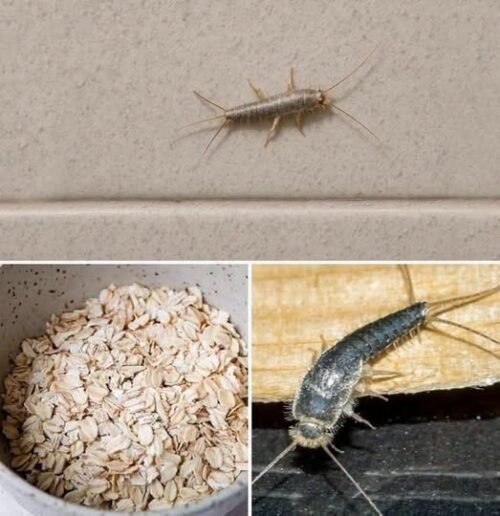
The insect is commonly known as a silverfish.
Silverfish are small, wingless insects with narrow bodies covered in tiny scales that give them a silver or gray appearance. They also have long antennae and three thin tail-like appendages at the back.
Their quick, wriggling movement resembles the motion of a fish, which is how they got their name.
They are mostly active at night, which is why homeowners often discover them when turning on a bathroom or kitchen light after dark.
The good news is that silverfish are generally not dangerous to people or pets.
They do not normally bite humans, they do not sting, and they are not known as major disease-spreading insects.
However, that does not mean they should simply be ignored.
The presence of silverfish often tells you something important about the conditions inside your home.
Why Silverfish Appear Indoors
One of the biggest reasons silverfish enter and survive inside homes is moisture.
They thrive in areas that are humid, dark, and rarely disturbed.
Bathrooms are common hiding places because of steam from showers and damp surfaces. Basements, laundry rooms, kitchens, attics, and areas around leaking pipes can also provide ideal conditions.
Even a slow plumbing leak behind a wall or under a sink can create enough moisture for silverfish to remain comfortable.
Homes with poor ventilation or consistently high indoor humidity may also experience more frequent sightings.
That means spotting silverfish can sometimes serve as an early warning that an area of the home is staying wetter than it should.
What Do Silverfish Eat?
Silverfish can survive on many materials commonly found inside houses.
They are particularly attracted to substances containing starches and carbohydrates.
Paper is one of their common food sources.
Books, magazines, cardboard boxes, old newspapers, wallpaper paste, photographs, and important documents may all be damaged if silverfish populations become large enough.
They may also feed on certain fabrics, food crumbs, cereal products, glue, and other stored materials.
For most homeowners, the biggest concern is not physical danger but gradual property damage.
An infestation in a storage area, for example, could eventually damage books, photographs, clothing, or documents that may be difficult or impossible to replace.
Does Seeing One Mean You Have an Infestation?
Not necessarily.
Finding a single silverfish does not automatically mean hundreds are hiding behind the walls.
One insect may have entered from another part of the building or simply wandered into view.
However, repeated sightings deserve attention.
If you regularly see silverfish in the same room, especially at night, there may be a nearby hiding area.
Other possible signs include small shed skins, damage to paper or cardboard, yellowish staining, or irregular holes in stored materials.
Because silverfish prefer dark cracks and hidden spaces, they can live inside a home for quite some time without being noticed.
The Most Important Step: Control the Moisture
If you want to make your home less attractive to silverfish, reducing humidity is one of the most effective places to begin.
Check sinks, toilets, tubs, water heaters, and exposed pipes for leaks.
Use bathroom exhaust fans during and after showers.
If a basement remains damp, a dehumidifier may help reduce moisture levels.
Increasing airflow around cabinets, closets, and storage spaces can also make those areas less appealing.
Fixing the moisture problem does more than discourage silverfish. It can also help prevent mold, unpleasant odors, and other household pests that prefer humid conditions.
Remove Their Hiding Places
Silverfish like clutter because it gives them plenty of dark spaces to hide.
Stacks of old newspapers, cardboard boxes, unused paper bags, and piles of stored materials can create ideal shelter.
Where possible, reduce unnecessary clutter and store important items in sealed plastic containers rather than cardboard.
Vacuuming along baseboards, behind furniture, inside closets, and around storage areas can also remove food particles, insect debris, and potential hiding material.
Sealing cracks around baseboards, plumbing openings, windows, and other gaps may help limit their movement through the home.
When Professional Help May Be Needed
Occasional silverfish sightings can often be managed by reducing moisture and improving storage conditions.
But if you continue seeing large numbers despite making changes, a pest-control professional may be able to identify hidden nesting areas and determine why the insects are continuing to thrive.
The key is not to panic.
Silverfish may look strange, but they are usually more of a nuisance than an immediate threat.
Their appearance can actually provide useful information about the condition of your home.
If you see them repeatedly, take a closer look at humidity, leaks, ventilation, clutter, and stored paper products.
Sometimes getting rid of the insect begins not with the insect itself, but with removing the environment that allowed it to stay.
Silverfish may be tiny, but their presence can be a useful reminder that keeping a home dry, clean, and well ventilated helps protect far more than just the walls and floors.
Does seeing silverfish mean my house is dirty?
No. Silverfish are not drawn to dirt. They are strictly attracted to high humidity, moisture, and starchy materials like cardboard and paper. Even the most immaculate home can get silverfish if there is a hidden leak or poor ventilation.
Where are they most likely hiding?
They prefer dark, warm, and humid spaces. Look for them in bathrooms, basements, kitchens, laundry rooms, and inside cluttered closets or stacks of old cardboard boxes.
Why did I suddenly see a spike in silverfish?
A sudden appearance usually points to a recent environmental change. This could be a new plumbing leak, a period of intensely humid weather, or because you recently brought in old cardboard boxes or books from an external storage unit.
🔥 Popular on RealityCover
 Warning: People vaccinated against COVID-19 may…
 Over 200 People Are Killed By The “World’s Deadliest Food” Every Year, But Almost 500 Million People Still Eat It
 Plane Passenger Stabbed by Child With a Fork During 14-Hour Flight
 If you grew up in the ’80s like I did, these things will bring back memories instantly