
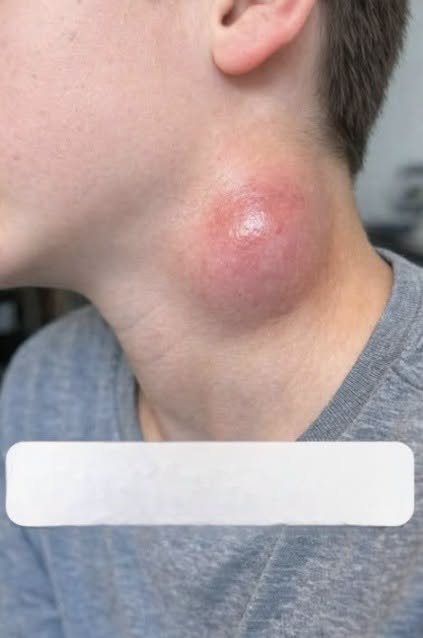
Understanding Sudden Neck Lumps in Children: What Parents Should Know
Discovering a lump on a child’s neck can be a source of concern for any parent. Such findings often raise immediate questions about the child’s health and what actions to take. Although the appearance of a lump may seem alarming, it is important to understand the common reasons behind these changes and how to approach the situation calmly and knowledgeably.
Anatomy and Function of the Neck’s Lymphatic System
The neck houses several vital structures including muscles, glands, blood vessels, and lymph nodes. Lymph nodes are small, oval-shaped organs that form part of the immune system. They filter harmful agents such as viruses and bacteria and help the body fight infections. In children, whose immune systems are still developing, lymph nodes can become temporarily enlarged as they respond to infections.
Common Causes of Neck Lumps in Children
One of the primary reasons for a lump appearing suddenly on a child’s neck is an enlarged lymph node. This enlargement is frequently a reaction to infections such as colds, throat infections, ear infections, or minor skin infections. Other causes can include dental issues or viral illnesses. These swollen nodes are generally soft, movable, and sometimes tender, reflecting the body’s natural immune response.
Why Parents May Notice Lumps Suddenly
Often, neck lumps develop gradually but are noticed suddenly during routine activities such as bathing, dressing, or haircuts. The lighting or angle may make the swelling more apparent. This sudden discovery can be distressing, but it usually indicates a process that has been ongoing rather than an abrupt event.
Evaluating the Lump: When to Consult a Healthcare Provider
Healthcare professionals assess neck lumps by considering factors such as the duration and changes in size, associated symptoms like fever or pain, recent illnesses, and the child’s overall health. A physical examination helps determine the nature of the lump. Soft, mobile, and slightly tender lumps accompanied by recent infection symptoms often suggest a benign cause.
Signs That Require Immediate Medical Attention
While many neck lumps are harmless, certain symptoms warrant urgent evaluation. These include difficulty breathing or swallowing, rapid growth of the lump, persistent high fever, severe pain, redness or warmth over the lump, and swelling that does not diminish over time. Prompt medical assessment ensures appropriate treatment if needed.
Management and Supportive Care at Home
If a healthcare provider determines the lump is related to a minor infection, supportive care may be advised. This can include ensuring the child rests, stays hydrated, and uses warm compresses if recommended. It is important to follow the provider’s instructions and avoid manipulating the lump to prevent irritation or infection.
Common Missteps to Avoid
Parents are advised against squeezing or attempting to drain neck lumps, as this can cause complications. Frequent checking or applying unverified home remedies may also exacerbate the issue. Timely consultation with a healthcare professional is crucial, especially if symptoms worsen or new concerns arise.
Understanding the Immune Response and Reassurance for Parents
Enlarged lymph nodes typically reflect a functioning immune system actively responding to infection. This natural defense mechanism is common in children due to their frequent exposure to new pathogens. Recognizing this can provide reassurance and reduce anxiety during such episodes.
Conclusion: Navigating Neck Lumps with Confidence
Finding a lump on a child’s neck can be unsettling, but most cases are related to benign, treatable causes such as infections. Awareness of typical signs, monitoring changes, and seeking professional advice when necessary form the best approach. Parents’ instincts combined with calm observation and medical guidance help ensure the child’s well-being and peace of mind.
By understanding the context and common scenarios of neck lumps in children, families can respond appropriately and focus on supporting their child’s health and comfort.
Differential Diagnosis: Other Causes of Neck Lumps in Children
While swollen lymph nodes due to infections are the most frequent cause of neck lumps in children, it is important to acknowledge other potential causes. Healthcare providers consider a broad range of possibilities to ensure accurate diagnosis and appropriate management.
Congenital cysts and developmental anomalies can present as lumps on the neck. These may include branchial cleft cysts or thyroglossal duct cysts, which are fluid-filled sacs that develop during embryonic growth. Such cysts are usually painless and may fluctuate in size.
Benign tumors, such as lipomas (fatty tissue growths) or hemangiomas (blood vessel growths), can also appear as lumps. These are generally soft and non-tender but warrant medical evaluation to rule out other conditions.
In rare cases, malignant tumors such as lymphoma or other cancers may present as persistent, enlarging neck lumps. These cases often have accompanying symptoms such as unexplained weight loss, night sweats, or prolonged fatigue. However, these are uncommon in children, and most neck lumps are benign.
The Role of Diagnostic Tools in Evaluating Neck Lumps
To differentiate between various causes of neck lumps, healthcare providers may utilize several diagnostic tools. Physical examination remains the cornerstone, but imaging and laboratory tests provide valuable additional information.
Ultrasound imaging is a non-invasive and widely used method to assess the characteristics of a lump. It helps determine whether the lump is solid or cystic, its size, location, and relationship to surrounding structures. Ultrasound can also guide fine needle aspiration if tissue sampling is necessary.
Blood tests may be ordered to check for signs of infection or inflammation, such as elevated white blood cell counts or markers of immune activity. In some cases, specific tests for viral infections or immune disorders are indicated.
If initial evaluations raise concerns, referral to a pediatric specialist such as an otolaryngologist (ear, nose, and throat doctor) or pediatric oncologist may be recommended for further assessment and management.
Long-Term Outlook and When to Consider Follow-Up
Most neck lumps related to infections resolve within a few weeks as the child recovers. Parents should monitor the lump for changes in size, texture, and any new symptoms. Follow-up appointments may be advised to ensure resolution.
If the lump persists beyond four to six weeks without improvement, or if it grows or changes in consistency, further evaluation is warranted. Persistent lumps may require imaging or biopsy to exclude less common causes.
Parents should keep a symptom diary noting any changes, associated illnesses, or treatments that coincide with the lump’s progression. This information assists healthcare providers in making informed decisions.
Supporting Children Emotionally During Medical Evaluations
Medical visits and procedures can be stressful for children, especially when an unexpected lump is found. Parents and caregivers play a crucial role in providing comfort and reassurance.
Explaining the situation in age-appropriate language helps reduce fear. Encouraging questions and acknowledging feelings allows children to express concerns.
Using distraction techniques such as toys, books, or games during examinations can ease anxiety. Preparing the child for what to expect and offering positive reinforcement afterwards supports coping.
Healthcare teams often include child life specialists trained to assist families during medical encounters. Utilizing these resources can improve the overall experience.
Preventive Measures and General Health Practices
While not all neck lumps can be prevented, maintaining good general health helps reduce the frequency and severity of infections that cause lymph node enlargement.
Encouraging regular handwashing, proper hygiene, and timely vaccinations protects children from common contagious illnesses.
Prompt treatment of minor infections such as sore throats or skin wounds can prevent complications that might lead to swollen lymph nodes.
Regular pediatric check-ups allow for monitoring of growth and development, including the early identification of any unusual physical changes.
Media Literacy and Handling Online Health Information
In the digital age, parents often turn to the internet for health information. While online resources can be helpful, it is essential to approach them critically.
Not all websites provide accurate or evidence-based content. Misinformation can lead to unnecessary worry or inappropriate actions.
Parents should rely on reputable sources such as government health agencies, recognized medical organizations, and trusted healthcare providers.
Before making decisions based on online information, consulting a medical professional ensures that guidance is personalized and appropriate.
Career Insights: Pediatricians and Their Role in Managing Neck Lumps
Pediatricians are medical doctors specialized in the care of infants, children, and adolescents. Their training equips them to evaluate symptoms like neck lumps comprehensively.
They assess clinical history, perform physical examinations, and determine when further testing or specialist referral is necessary.
Pediatricians also provide education and reassurance to families, helping them navigate health concerns with confidence.
Their role extends beyond diagnosis to coordinating care, monitoring progress, and supporting overall child well-being.
Legacy of Research and Advances in Pediatric Care
Ongoing research continuously enhances understanding of pediatric conditions, including lymph node pathology and infectious diseases.
Advances in imaging technology and minimally invasive diagnostic techniques have improved the accuracy and safety of evaluations.
Education initiatives aimed at parents and healthcare providers promote early recognition and appropriate management of common pediatric concerns.
Such progress contributes to better health outcomes and reduces anxiety associated with childhood illnesses.
Key Takeaways for Parents
Sudden neck lumps in children are often due to enlarged lymph nodes responding to infections and are usually benign.
Not all lumps are related to infections; persistent or unusual lumps require medical evaluation.
Parents should observe for warning signs such as difficulty breathing, rapid growth, or persistent swelling.
Avoid manipulating lumps and unverified home remedies; seek professional advice when in doubt.
Supporting the child emotionally during medical visits helps reduce distress.
Maintaining good hygiene and regular medical care supports overall health.
Use trusted sources for health information and consult healthcare providers for personalized guidance.
By staying informed and proactive, parents can effectively manage concerns about neck lumps, ensuring timely care and peace of mind for their families.
Understanding the Impact of Environmental Factors on Childhood Neck Lumps
Environmental exposures can influence the frequency and severity of infections that cause swollen lymph nodes in children. For instance, children attending daycare or school are more likely to encounter contagious viruses and bacteria, which can lead to reactive lymphadenopathy. Seasonal changes also play a role, with respiratory infections being more common during colder months. Awareness of these patterns can help parents anticipate and contextualize episodes of neck swelling.
The Role of Nutrition and Immune Health
A well-balanced diet supports a child’s immune system, potentially reducing the risk and duration of infections. Nutrients such as vitamins A, C, D, and zinc are important for immune function. While nutrition alone cannot prevent all causes of neck lumps, maintaining a healthy diet helps the body respond effectively to infections. Parents should aim to provide varied meals rich in fruits, vegetables, whole grains, and lean proteins.
When to Consider Second Opinions and Specialist Care
If a child’s neck lump persists despite initial evaluation, or if symptoms are atypical or concerning, seeking a second opinion can be beneficial. Pediatric specialists such as otolaryngologists, infectious disease experts, or oncologists may provide further insight. Specialist care ensures comprehensive evaluation and access to advanced diagnostic tools when necessary.
The Importance of Clear Communication Between Parents and Healthcare Providers
Open and honest communication facilitates accurate diagnosis and effective management. Parents should feel empowered to share detailed observations about the lump’s appearance, associated symptoms, and any changes over time. Likewise, healthcare providers should explain findings and recommendations in accessible language, addressing parental concerns thoroughly. This partnership fosters trust and improves health outcomes.
Educational Resources for Parents
Many organizations offer reliable information about pediatric health issues, including neck lumps. Resources from established medical institutions and government health departments can help parents understand common causes and appropriate responses. Access to educational materials supports informed decision-making and reduces anxiety.
The Psychological Effects of Health Scares in Childhood
Discovering a lump can cause stress not only for parents but also for children. Prolonged anxiety may affect a child’s emotional well-being. It is important to provide reassurance and maintain routines that promote a sense of security. If stress becomes significant, consulting mental health professionals experienced in pediatric care may be beneficial.
Advances in Telemedicine and Remote Consultations
Recent developments in telehealth have made it easier for parents to obtain medical advice quickly. Virtual consultations allow healthcare providers to visually assess neck lumps and gather history, guiding decisions about the need for in-person evaluation. Telemedicine can be a valuable tool for triaging concerns and offering reassurance.
Global Perspectives on Childhood Neck Lumps
Prevalence and causes of neck lumps in children can vary by geographic region due to differences in infectious diseases, healthcare access, and environmental factors. Understanding these variations highlights the importance of context-specific medical guidance. Parents traveling or living abroad should communicate relevant health history to local providers.
Encouraging Preventive Healthcare Practices
Routine pediatric visits enable early detection of health issues and reinforce preventive measures. Vaccinations, growth monitoring, and developmental assessments are integral to comprehensive child health care. These practices contribute to reducing complications associated with infections and other causes of neck lumps.
Future Directions in Research and Public Health
Ongoing research aims to improve understanding of pediatric lymphadenopathy and related conditions. Studies focus on refining diagnostic criteria, developing less invasive testing methods, and identifying factors that influence immune responses in children. Public health initiatives continue to promote education and early intervention strategies.
Summary of Additional Considerations for Parents
Environmental exposures and seasonal trends can affect the likelihood of infections causing neck lumps.
Good nutrition supports immune health but does not replace medical evaluation.
Specialist consultation and second opinions are valuable when initial assessments are inconclusive or symptoms persist.
Effective communication with healthcare providers enhances care quality.
Reliable educational resources empower parents and reduce anxiety.
Addressing psychological impacts of health concerns supports child well-being.
Telemedicine offers accessible options for medical guidance.
Geographic and cultural context influences health considerations.
Preventive healthcare remains fundamental to child health.
Research advances continue to improve understanding and management.
By incorporating these additional perspectives, parents can further strengthen their approach to managing sudden neck lumps in children, ensuring comprehensive care and support.
🔥 Popular on RealityCover
 Warning: People vaccinated against COVID-19 may…
 Plane Passenger Stabbed by Child With a Fork During 14-Hour Flight
 If you grew up in the ’80s like I did, these things will bring back memories instantly
 Over 200 People Are Killed By The “World’s Deadliest Food” Every Year, But Almost 500 Million People Still Eat It




One thought on “Understanding Sudden Neck Lumps in Children: What Parents Should Know”