Extra Tips for Tough Warts: Simple Home Care and When to See a Doctor
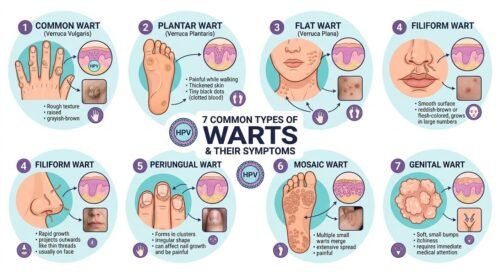
In our last guide, we looked at the seven types of warts and how to treat them. Warts are small skin bumps caused by a common virus. Sometimes, they can be very stubborn. They can take a long time to go away on their own. If you have a tough wart that will not disappear, do not worry. These simple tips will help you treat it safely at home. You will also learn exactly when it is time to stop home care and visit a professional doctor.
How to Make Home Treatments Work Much Better
Many people buy over-the-counter liquids or patches from the store. However, they often give up too quickly because they do not see fast changes. Warts are strong skin growths. You must use your treatments every single day to make them work well. To get the best possible results at home, you can follow these three simple steps:
- Soak and File Your Skin: Before putting any medicine on the wart, soak the area in clean warm water for 5 to 10 minutes. This makes the hard skin very soft. Gently rub away the top layer of dead skin using a clean nail file or a smooth pumice stone. Never use this file on your healthy skin, or the virus will spread.
- Protect Your Healthy Skin: Store-bought wart medicine is very strong. It can burn or damage your healthy skin. Put a small amount of petroleum jelly around the healthy skin at the bottom of the wart before you apply the medicine. This keeps the good skin safe from the acid.
- Keep Your Body Strong: Warts are a viral infection. Your body’s defense system helps fight off the virus. Sleeping well, lowering your daily stress, and eating healthy foods give your body the extra strength it needs to kill the virus from the inside out.
3 Big Mistakes to Avoid During Home Care
When a wart is annoying, it is very easy to get impatient. Avoid these three common mistakes so you do not make the problem worse:
- Do Not Pick or Scratch: Picking at a wart opens up the outer skin. This lets the tiny virus escape onto your fingers. This can easily spread new warts to your fingernails, your hands, or other parts of your body.
- Never Try to Cut It Off: Do not use nail clippers, scissors, or needles to cut or pop a wart at home. Doing this can cause deep bleeding, a very painful infection, and bad permanent scars.
- Keep the Area Dry: The virus loves warm, wet places. If you have a plantar wart on the bottom of your foot, change your socks often during the day. Keep your feet dry to stop the virus from growing.
When to Stop Home Care and See a Doctor
Most small warts can be treated safely at home. However, you should stop treating the wart yourself and see a professional doctor right away if you notice any of these warning signs:
- Signs of an Infection: The skin around the wart becomes very red, hot, swollen, leaks yellow pus, or hurts badly when you touch it.
- Warts on the Face or Genitals: Never use store-bought wart acids on your face, lips, or private areas. These areas are too sensitive. The medicine can cause bad chemical burns and scars.
- Other Major Health Issues: If you have diabetes or a weak immune system, do not try to treat warts yourself. A small mistake can turn into a serious wound that will not heal.
- No Changes After Two Months: If you use home medicine correctly for 8 weeks and the wart does not look any smaller, a dermatologist can give you stronger professional treatments like liquid nitrogen freezing or laser removal.
🔥 Popular on RealityCover
 Warning: People vaccinated against COVID-19 may…
 Over 200 People Are Killed By The “World’s Deadliest Food” Every Year, But Almost 500 Million People Still Eat It
 Plane Passenger Stabbed by Child With a Fork During 14-Hour Flight
 If you grew up in the ’80s like I did, these things will bring back memories instantly